
World Health Day: Building Health From the Heart of Kathmandu
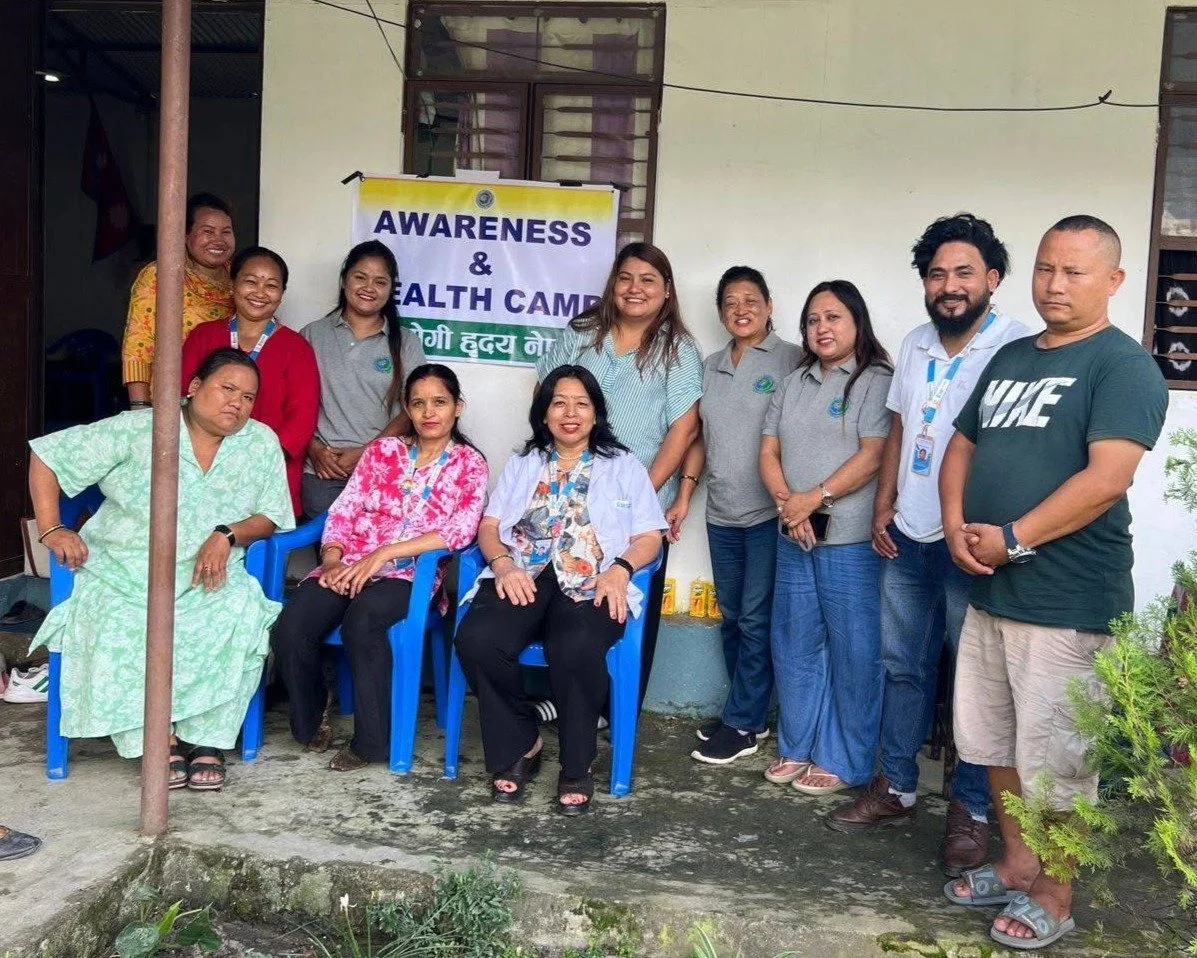
HealthEd Connect /Helping Heart Nepal community health volunteers in Kathmandu partner with clinicians from Mary Stopes Hospital to provide opportunities for women to receive health screenings and education regarding women’s health.
Imagine living in a city of nearly 850,000 people, where opportunity and hardship exist side by side. In Kathmandu, Nepal’s vibrant capital, economic disparity is a daily reality. As many as 40% of households live in poverty or on the edge, often in extremely crowded conditions with limited access to clean water and consistent health services. For many families, preventive care and health education feel out of reach.
Yet within these challenges, hope takes root through care, connection, partnerships, and trust.
Helping Heart Nepal and the Power of Volunteers
In Nepal, HealthEd Connect is locally known as Helping Heart Nepal, and the community health volunteers are called Soyamsebika—a Nepali word meaning “volunteers.” These women are deeply connected to the neighborhoods they serve. They are listeners, advocates, and educators who understand the realities of daily life in Kathmandu’s communities.
Rather than providing short-term interventions, the Soyamsebika focus on long-term relationships. They build trust, listen carefully to community concerns, and respond to real, identified needs. This grassroots approach is what makes their work effective—and sustainable.
A Transformative Partnership With Mary Stopes
A few years ago, the Soyamsebika in Kathmandu began an important partnership with Mary Stopes Hospital, an international NGO dedicated to women’s health services. This collaboration has significantly strengthened the quality and reach of Helping Heart Nepal’s programs.
Together, the Soyamsebika and Mary Stopes facilitate women’s health camps across several communities in Kathmandu. These camps go beyond basic education. They are safe, caring, educational spaces that typically include:
Women’s health workshops
Cervical cancer screenings
Reproductive health counseling
Open dialogue around sensitive women’s health topics
The presence of trusted local volunteers helps break down fear, stigma, and misinformation.
Training That Strengthens Community Impact
Mary Stopes clinicians have also played a key role in training the Soyamsebika, providing them with deeper knowledge on women’s health topics. This additional training equips volunteers to act as informed, confident advocates within their communities—long after the health camps conclude.
By combining clinical expertise with community trust, this partnership creates a powerful model: professional health care reinforced by local, caring relationships.
“They Stay and Build Relationships”
During a recent trip to Nepal, HealthEd Connect staff and board members had the opportunity to meet Bijaya, a representative from Mary Stopes Hospital. When asked what sets Helping Heart Nepal volunteers apart from others she has worked with, her answer was simple and profound:
“They stay in the communities and build relationships with the people. They listen to the people and address their needs.”
It is this consistency—this willingness to stay, listen, and walk alongside families—that defines the Soyamsebika’s impact. Health isn’t delivered once and forgotten; it is nurtured over time.
Moving Toward Health Equity Together
As we recognize World Health Day today, stories like this remind us that health equity is built by bringing healthcare to communities through strong partnerships, ongoing education, and trusted relationships.
Helping Heart Nepal is just one example of the meaningful partnerships that HealthEd Connect’s community health volunteers have established across the countries we serve. These partnerships strengthen local capacity, expand access to care, and ensure that programs are shaped by the real needs of the communities themselves. In places where resources are limited and challenges are complex, collaboration is essential. By working together—local volunteers, community members, and health organizations—we move closer to a future where everyone has the opportunity to live a healthy life.
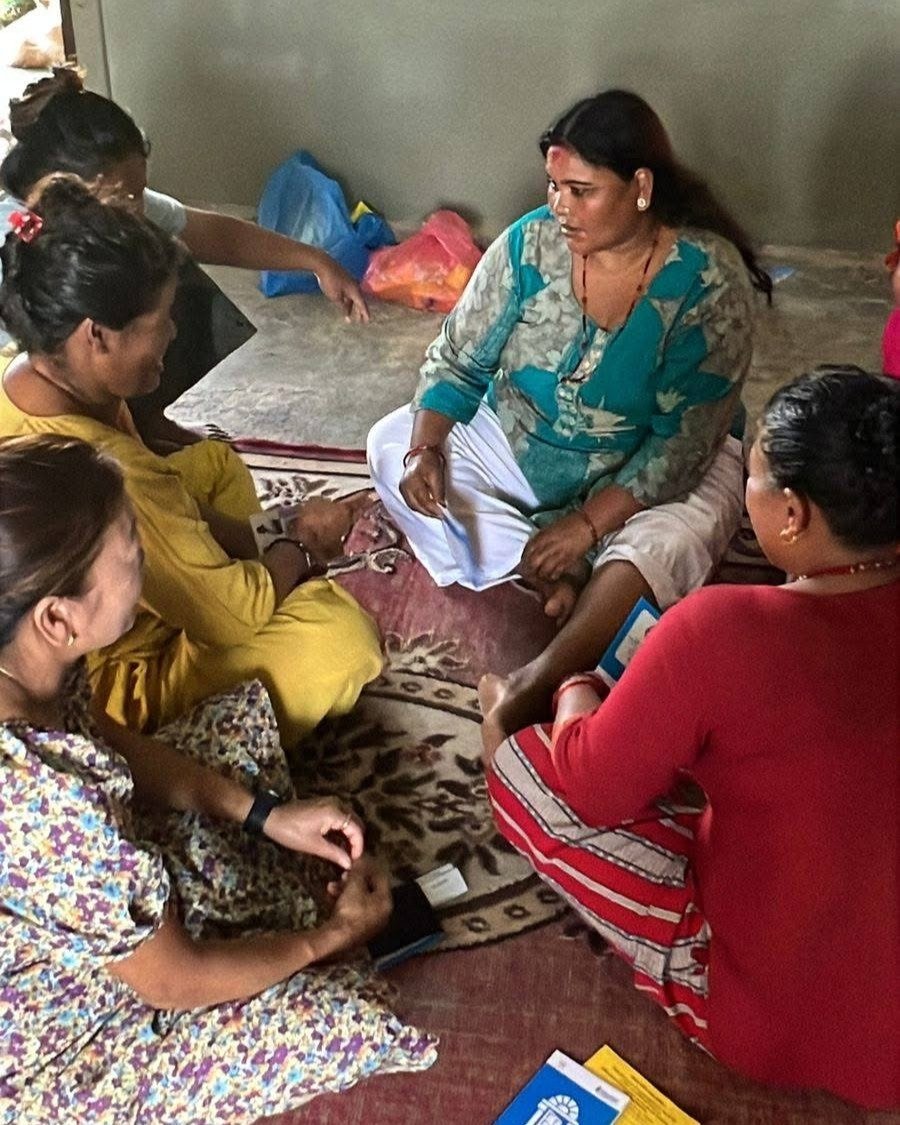
Women gathered together in safe community at a recent health camp in Kathmandu.