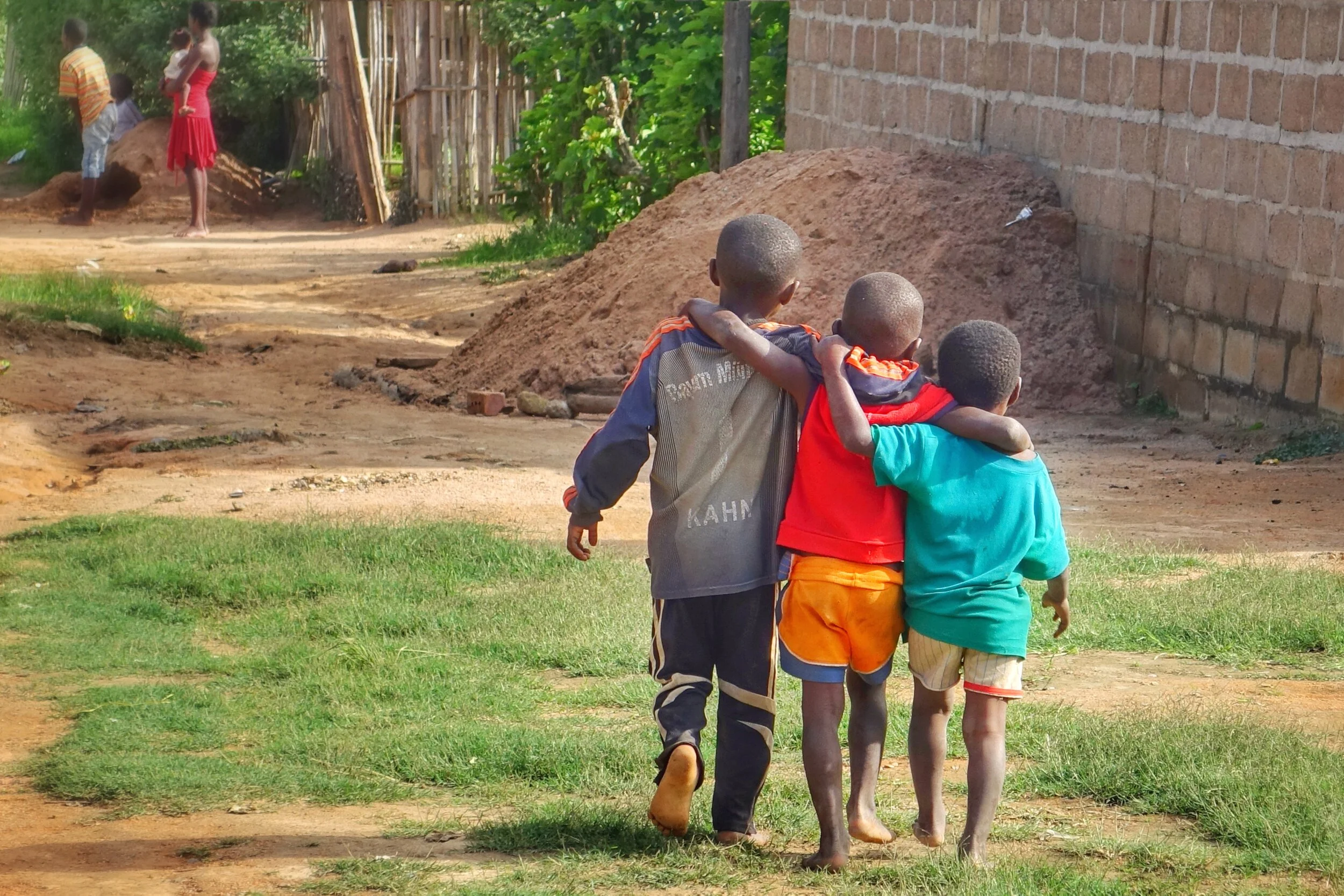
A Feast of Joy: Celebrating the End of the School Year in Zambia

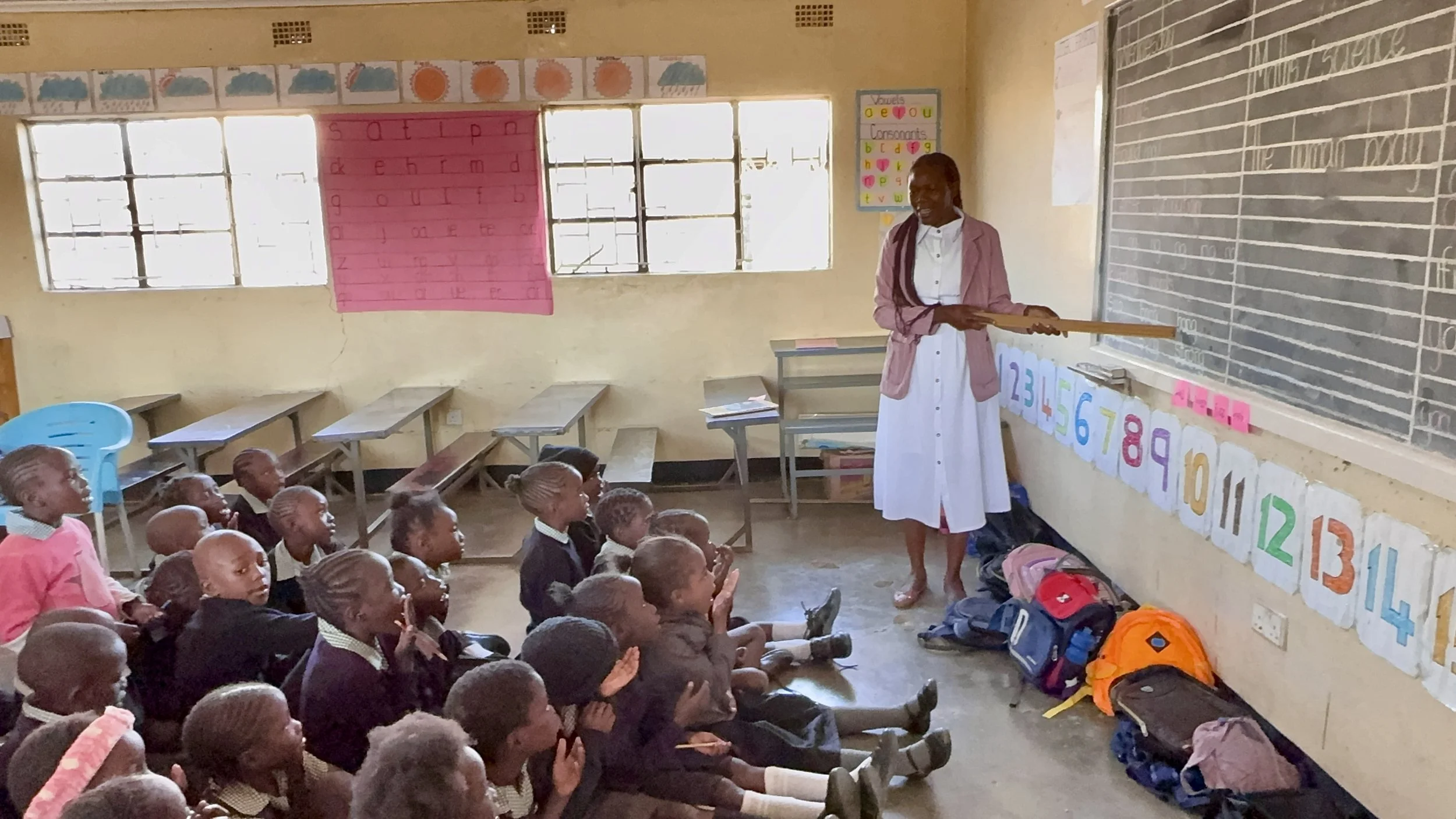
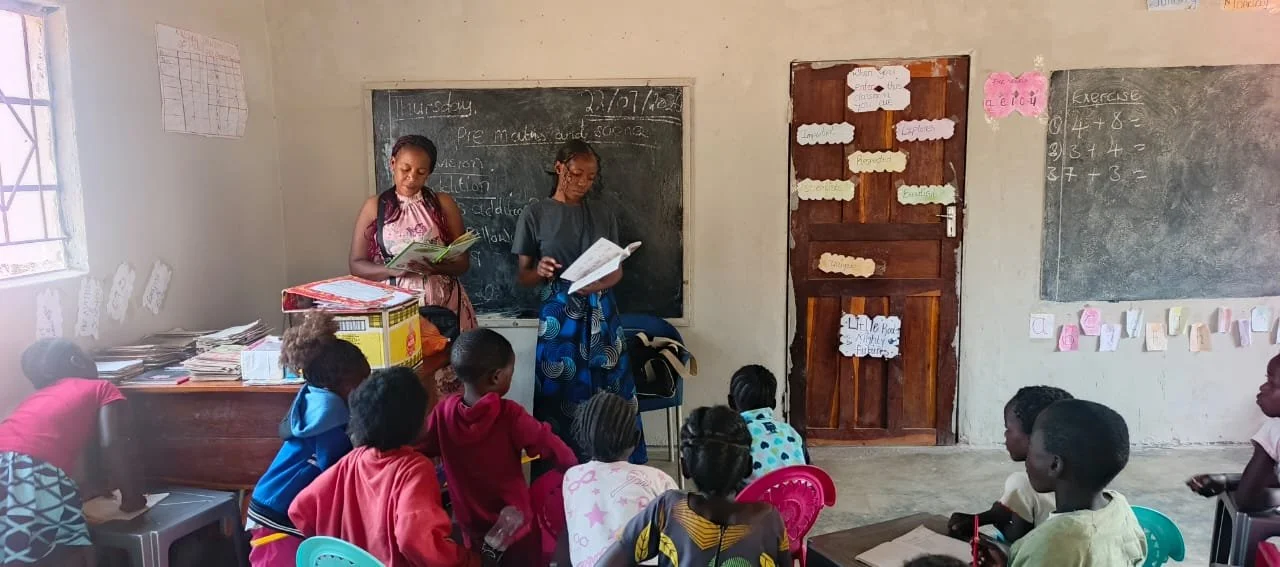
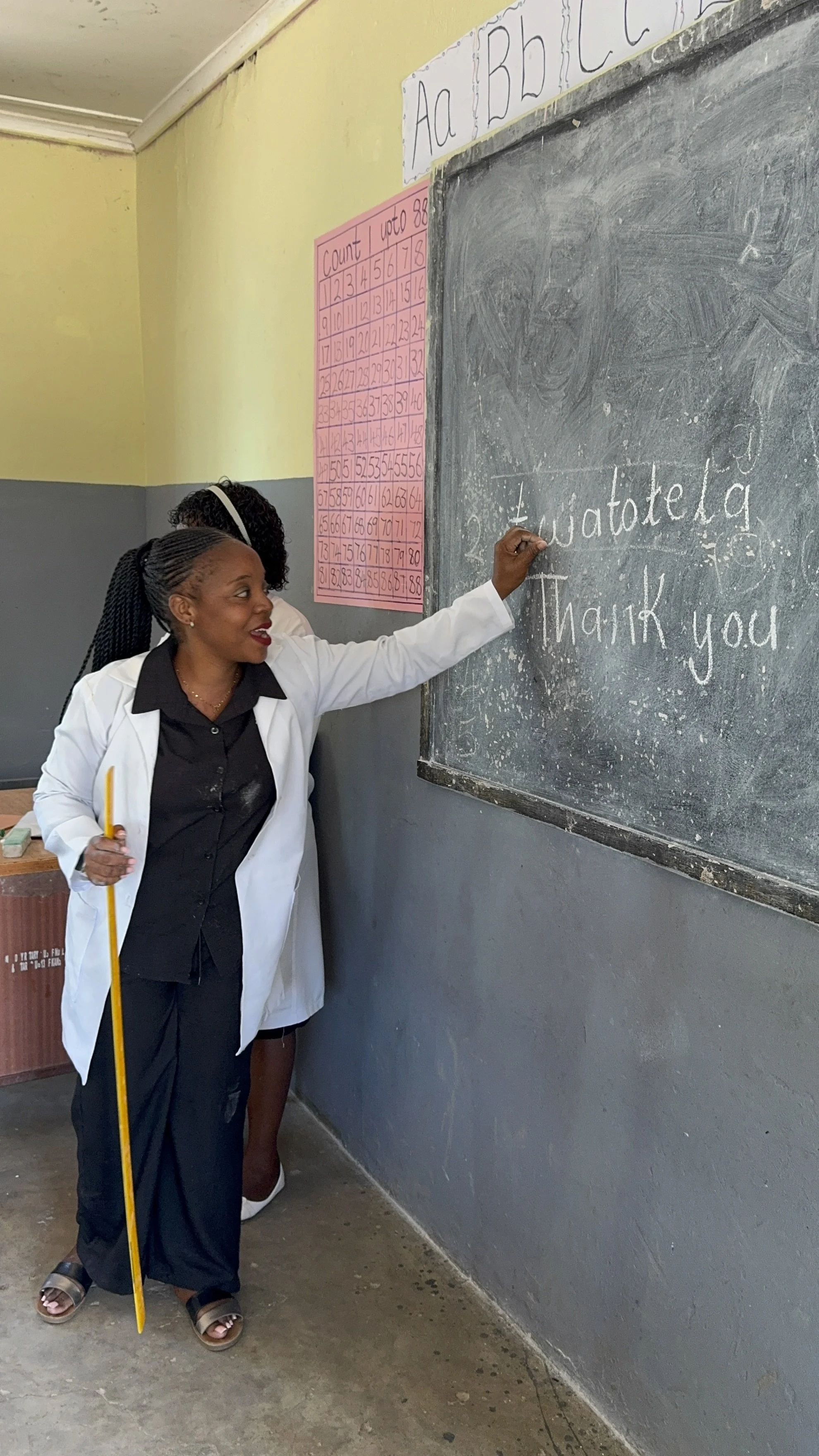
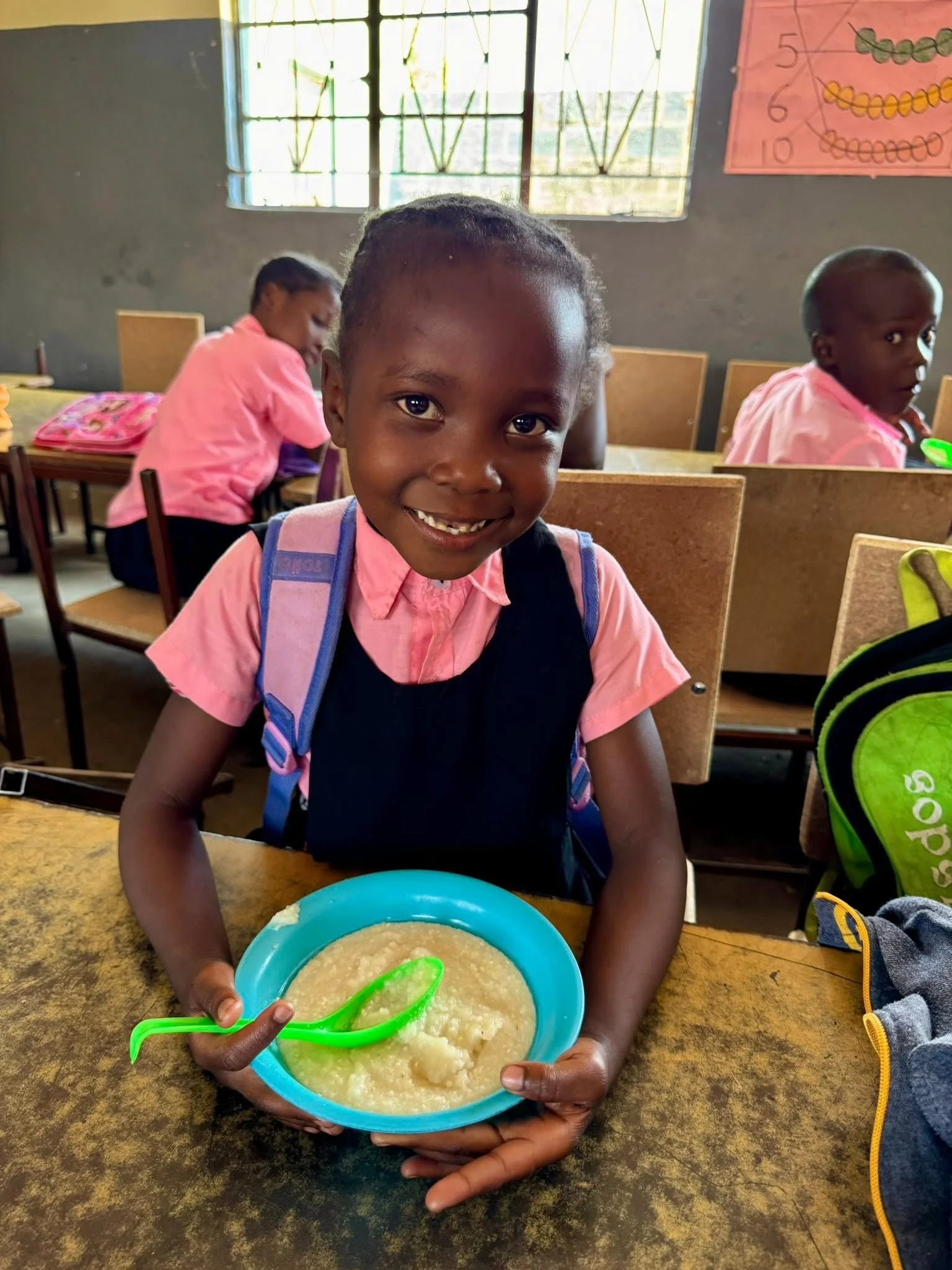
On December 5, our Zambian schools marked the last day of their school year with a tradition that brings smiles to every face—a celebration feast for students and staff. This annual event is more than just a meal; it’s a time of joy, gratitude, and community.

Mr. Bwalya Siame, head teacher at Zamtan Community School of Peace (Kitwe, Zambia), shared his excitement: “Our end-of-year party at Zamtan Community School went very well as both teachers and learners really enjoyed.”

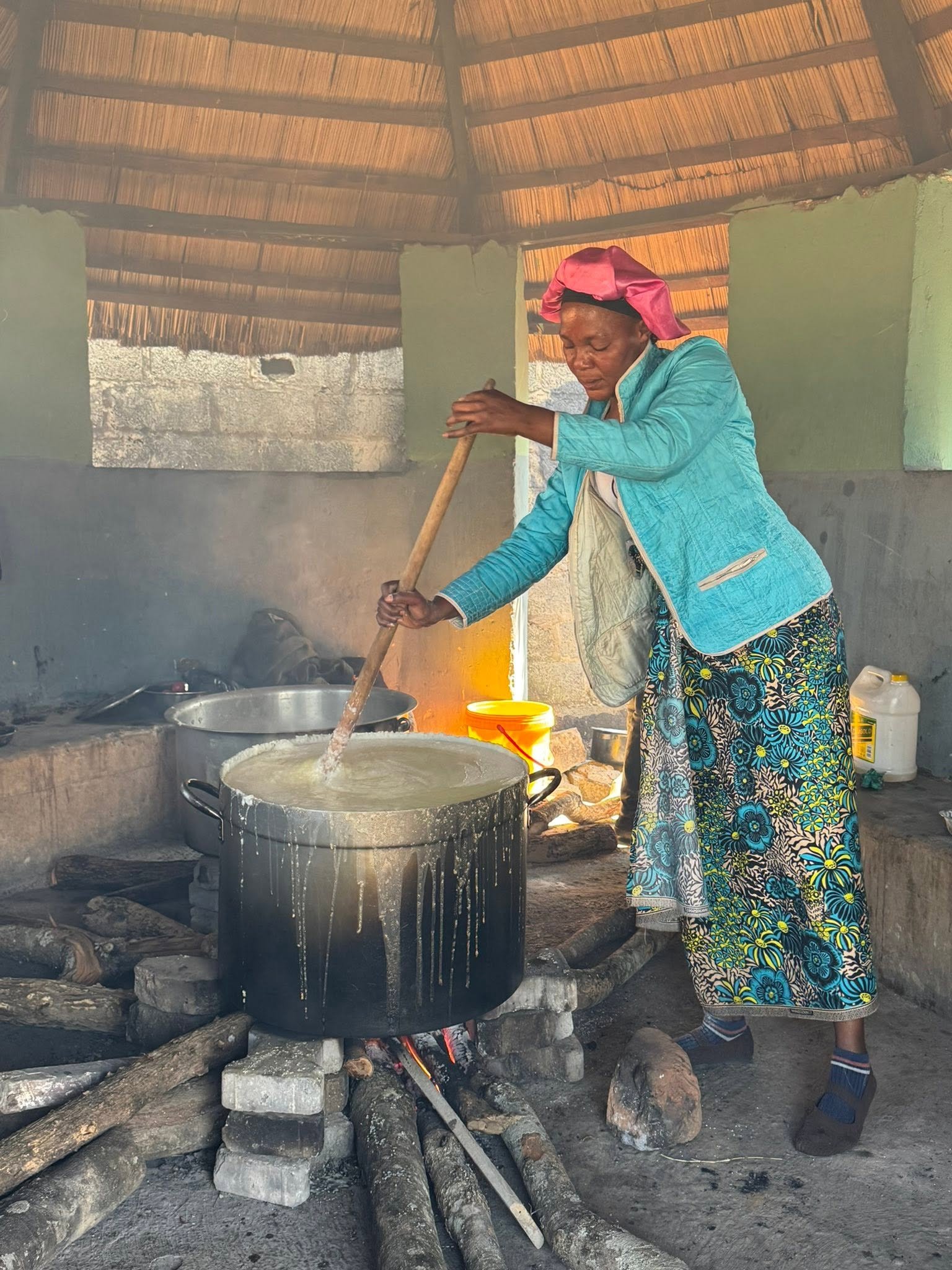
Preparing a feast for hundreds of students and staff is no small task. This year, the dedicated Kafwa volunteers from Kasompe Community School of Peace cooked an incredible spread:

  • 75 kilograms of rice

  • 30 kilograms of sausages

  • 20 whole chickens

  • 15 cabbages

  • 10 bags of potatoes

The team began their work early in the morning, ensuring everything was ready for the big celebration. According to Ireen Chishimba, a Kafwa member from Kasompe (Chingola, Zambia), this year’s party was the best yet: “We had fun cooking for the children. All the Kafwa members came. We worked together and everyone was happy.”

As we continue to celebrate this holiday season and look forward to the new year, we are reminded of the joy that comes from giving and sharing. Across the globe, we are united with our program partners in joyfully sharing love and hope, creating a better today and tomorrow.

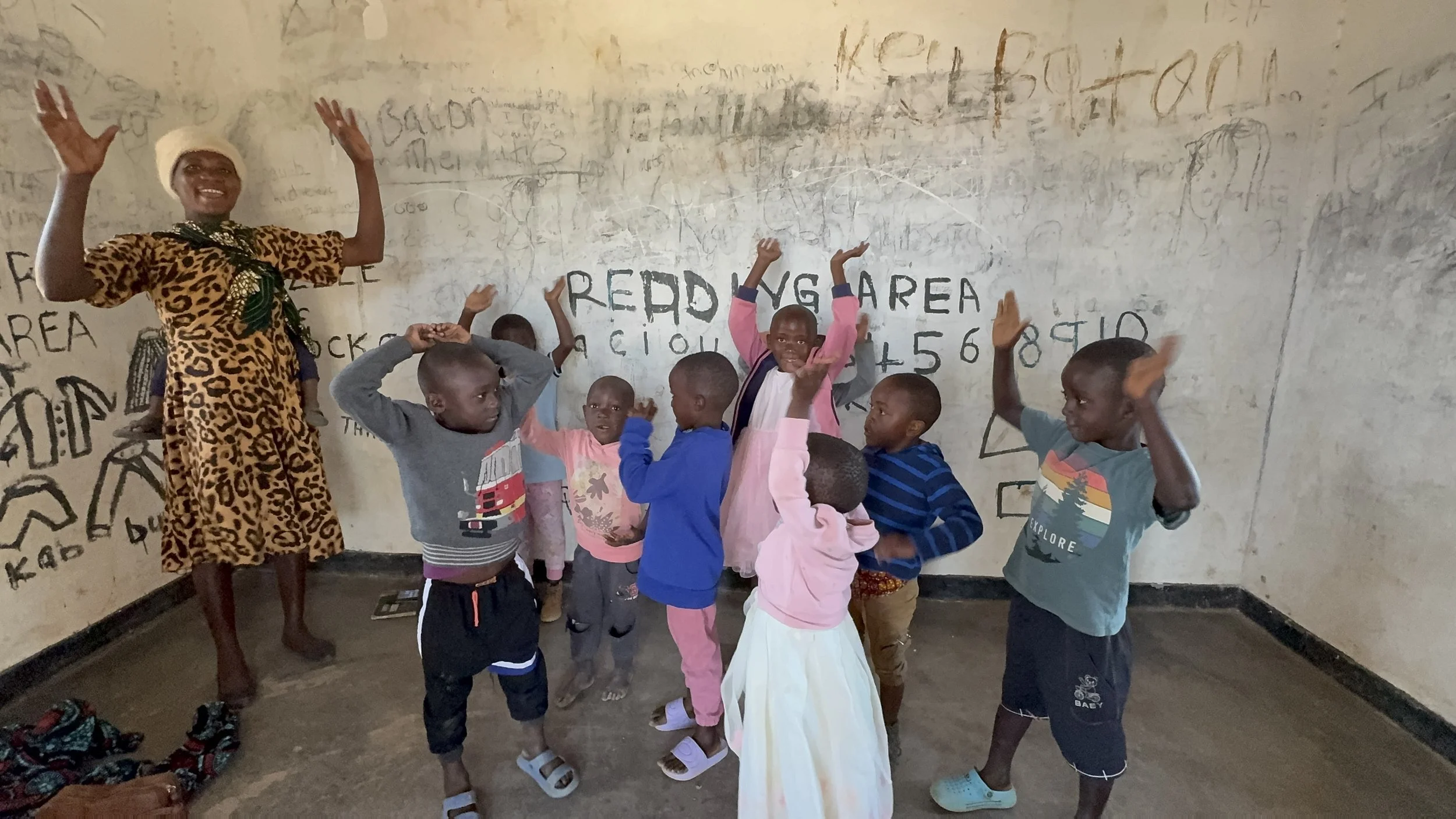
Kasompe Kafwa volunteers joyfully dance while preparing the celebration feast.

Chris Davisdon
Celebrating Impact: The HealthEd Connect 2024-2025 Annual Report Is Here!

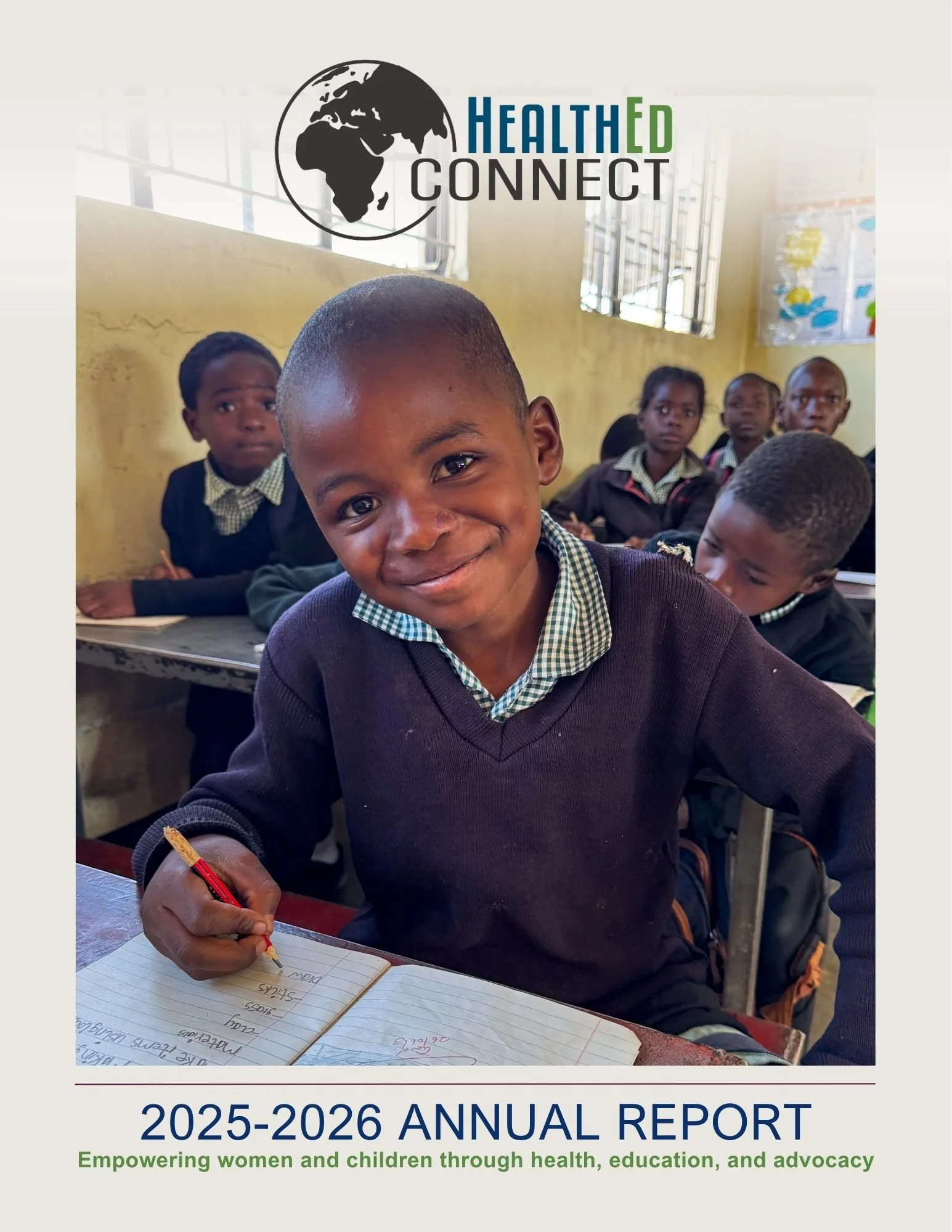
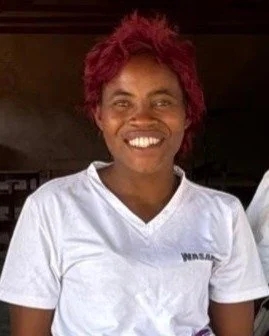
Have you seen this beautiful smile in your mail recently? The HealthEd Connect 2024–2025 Annual Report has arrived! If you haven’t received your copy yet, don’t worry—you can view it online here.

Our programs are the heart of what we do, and this year there is so much to celebrate. Inside the annual report, you’ll discover inspiring stories and impact statistics that relate to lives transformed through HealthEd Connect’s work:

  • Community health programs that provide care and support

  • Education initiatives for vulnerable children

  • Maternal and child health programs giving babies a healthier start

But the impact doesn’t stop there. You’ll also read about:

  • Community health volunteers who generously give their time to strengthen communities

  • Board members who provide invaluable support and guidance (and enthusiasm!)

  • Donors like YOU, whose generosity makes a global difference for women and children

The report is filled with stories and images that showcase these incredible impacts.

👉 Check out the 2024–2025 Annual Report now and celebrate with us!

Chris Davisdon
Human Rights Day 2025: Empowering Communities Through Care and Education

December 10 is International Human Rights Day. On this day in 1948, the Universal Declaration of Human Rights was adopted by the United Nations General Assembly—a landmark document affirming that every individual everywhere is entitled to fundamental rights and freedoms, without distinction.

At HealthEd Connect, we live out these principles every day. Our community health volunteers advocate for women and children by ensuring access to healthcare and education—providing care for each person without distinction.

Today, we celebrate these incredible volunteers and their tireless work to uphold the worth and dignity of all people, advocating for their right to health care and education.

Chris Davisdon
Gratitude in Action: Celebrating Our Health Volunteers

As we enter this season of Thanksgiving, our hearts are full of gratitude for the incredible community health volunteers who give their time freely to provide life-saving care and education. These dedicated individuals have a heart for the most vulnerable—many of whom are women and children—bringing hope and loving care to their communities with passion and purpose.

On a recent site visit to our partners in Malawi, Zambia, and the Democratic Republic of Congo, we asked volunteers why they continue to serve. Their overwhelming response? To make a difference in their communities. Through training provided by HealthEd Connect, they not only grow in their skills but also amplify their impact, creating healthier, stronger communities.

We are also deeply thankful for YOU—our supporters. Your generosity makes this work possible every single day. Because of you, volunteers can provide care, education, and support for orphans and vulnerable children. Together, we empower women and children through evidence-based health, education, and advocacy.

From all of us at HealthEd Connect: THANK YOU for making a difference!

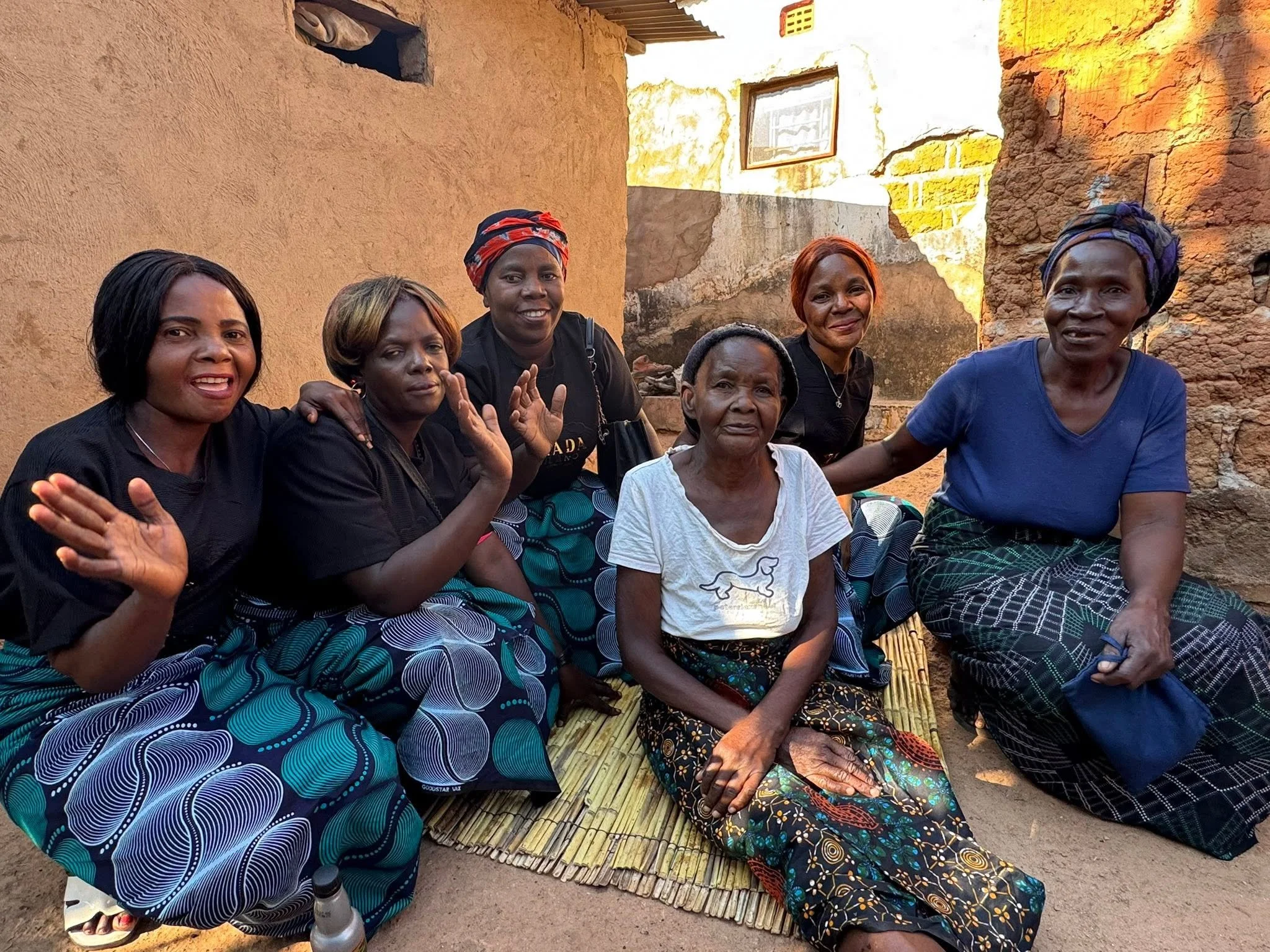
Kafwa volunteers from the Luapula province of Zambia visit a long-time client who has benefited from their knowledge, experience and care.

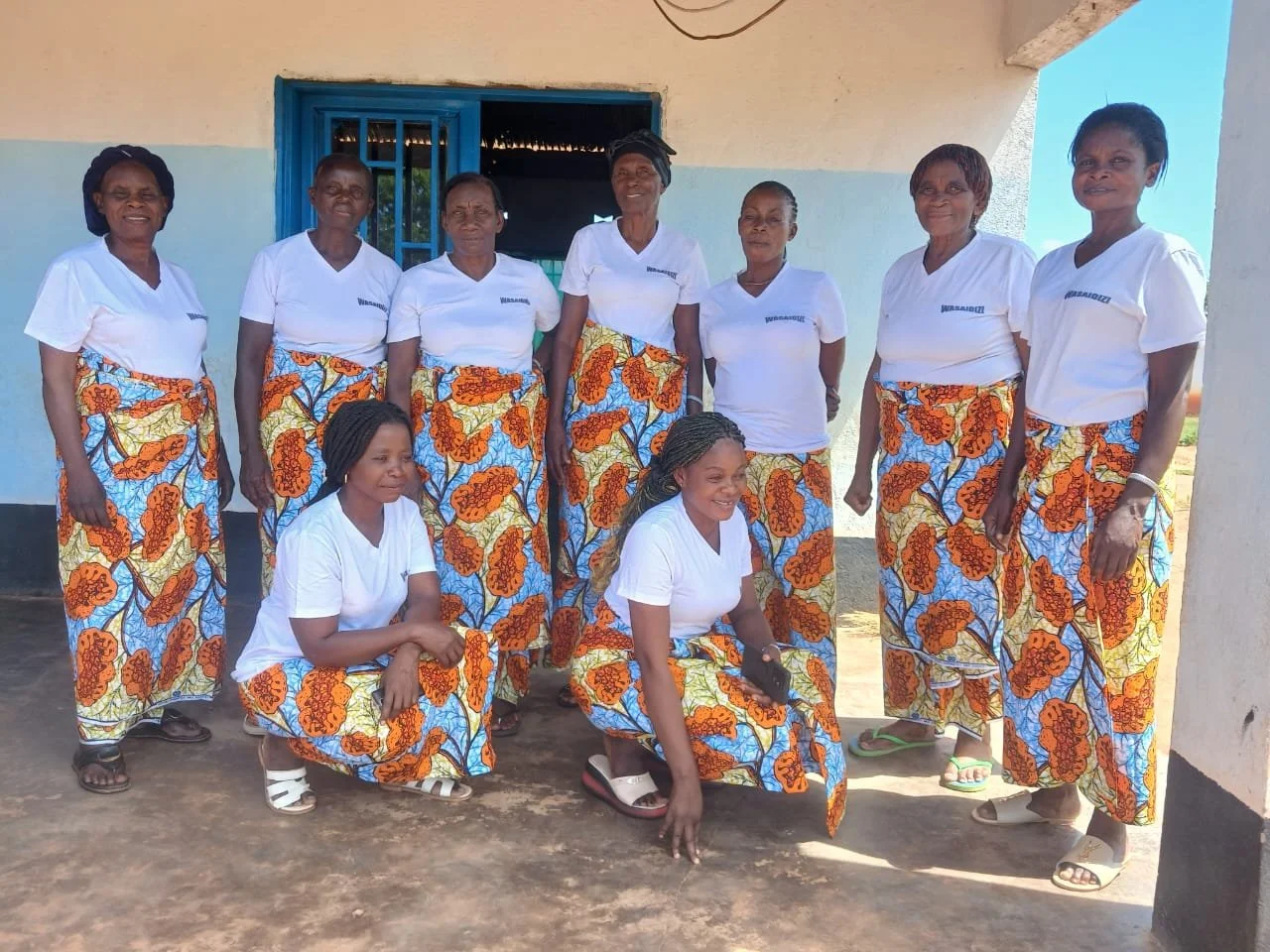
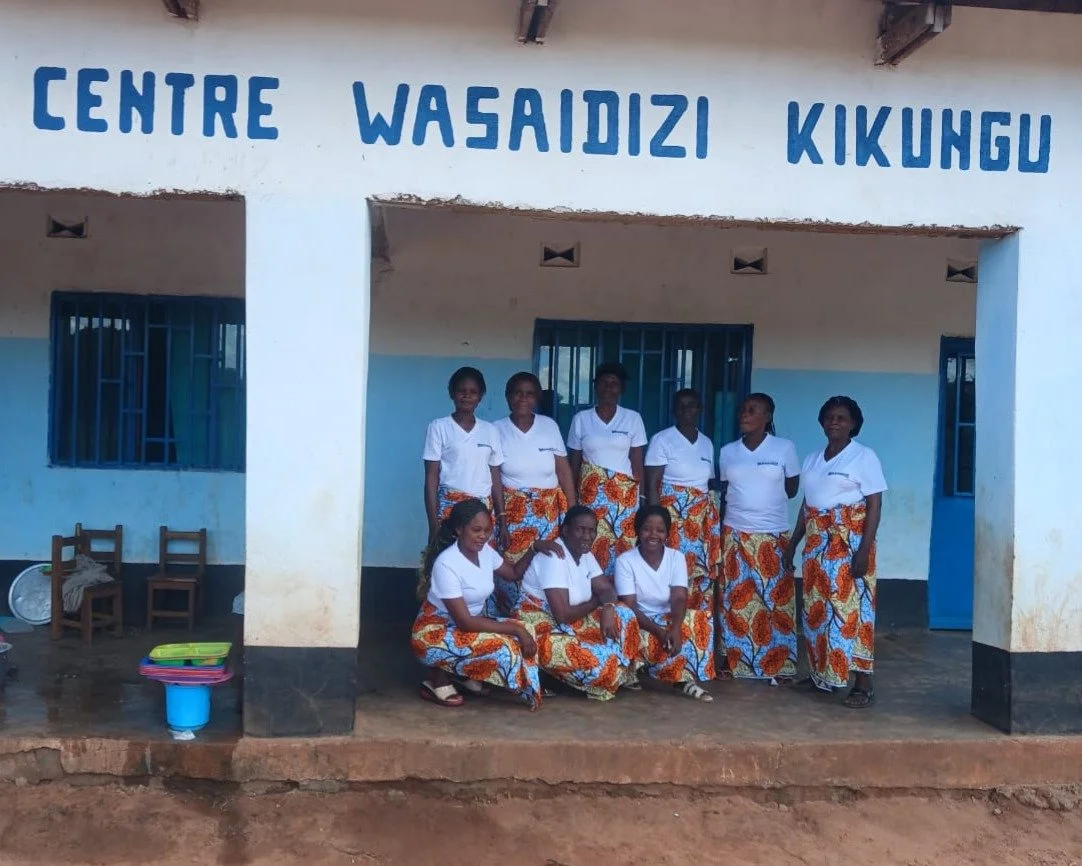
Wasaidizi volunteers from the Democratic Republic of Congo receive training in using a blood pressure cuff. High blood pressure is a common health concern in their communities and with this support for their clients the volunteers can help them receive the assistance they need.

Chris Davisdon
Healing with Heart in Malawi

Sinkhani health workers receive training in first aid so they can respond to situations like this one.

In Mzimba, Malawi, 7-year-old Flora Chipeta suffered severe burns after falling into boiling water. With the hospital out of medication, a HealthEd Connect Sinkhani volunteer stepped in, bringing hope and healing.

Using traditional knowledge, she taught Flora’s family how to treat the burns with guava leaves to prevent infection. After five days, antibiotic ointment was applied and Flora made a full recovery! Her parents are deeply grateful for the care and compassion shown by the community health worker.

Your support of nonprofits like HealthEd Connect makes stories like Flora’s possible. Together, we bring healing and hope to communities around the world.

Chris Davisdon
Responding to USAID Cuts with Community at Heart

When news of USAID funding cuts reached us, HealthEd Connect immediately considered the impact on the communities we serve in Africa and Nepal. Guided by our mission to empower women and children through health, education, and advocacy, we took action.

Listening First

We surveyed our community health volunteers and nurse partners in Malawi, Zambia, the DRC, and Nepal. Their message was clear: access to life-saving healthcare and essential services are no longer available in many areas.


A recent study by The Lancet estimates that over 14 million people—including 4.5 million children under five—could die from preventable causes in the next five years due to these funding cuts.
Read the article


Our Two-Pronged Response

  1. Emergency Support
    We sent additional funding to address urgent health needs in our partner communities. We will also provide increased prevention education and supplies.

  2. Stronger Advocacy
    We joined the Global Health Council to amplify our voice and collaborate with others advocating for global health and education.

How You Can Help

  • 💸 Donate now to help us provide life-saving supplies and education.

  • 📞 Contact your legislators to express your concern about the devastating impact of USAID cuts.

  • 📢 Raise your voice with us in support of global health equity.

Though we are small, we are mighty.
Thank you for standing with us.

Chris Davisdon
Why We Serve: The Heart Behind Over 30 Years of Volunteerism

Dr. Sherri Kirkpatrick visiting with a community health volunteer in Rai village, Nepal

We're excited to announce that HealthEd Connect is again in print!  HealthEd Connect co-founder Dr. Sherri Kirkpatrick and two colleagues, Jan Elliott, a long-time supporter of HealthEd Connect, and Wilaiporn Rojjanasrirat, a Graceland nursing faculty member, received word last week that an article they'd been working on for months was accepted for publication in the nursing journal, Clinical Nursing Studies.  The title of the article is Sustained volunteerism: Motivational factors of community health volunteers in Democratic Republic of Congo, Malawi, Zambia, and Nepal.

So why do our health workers volunteer year after year, with some having reached the incredible milestone of serving for over 30 years? To find the answer, you'll have to read the article!  But here's a hint: it's not for prestige or money. The article features interviews with our amazing health workers that Sherri conducted over several trips.  A discussion of the findings, along with quotes from our health worker volunteers, can be found on pages 15-18 of the article.

Click the title link to view the article: Sustained volunteerism:  Motivational factors of community health volunteers in Democratic Republic of Congo, Malawi, Zambia, and Nepal.

We hope you enjoy learning a little more about our health worker heroes and why they volunteer year after year! 

Article Citation:

Sharon Minton Kirkpatrick, Janette Elizabeth Elliott, Wilaiporn Rojjanasrirat. (2025). Sustained volunteerism: Motivational factors of community health volunteers in Democratic Republic of Congo, Malawi, Zambia, and Nepal. Clinical Nursing Studies, 13(1). doi: https://doi.org/10.5430/cns.v13n1p11 http://www.sciedupress.com/journal/index.php/cns/issue/view/1927.

Healthy Beginnings, Hopeful Futures

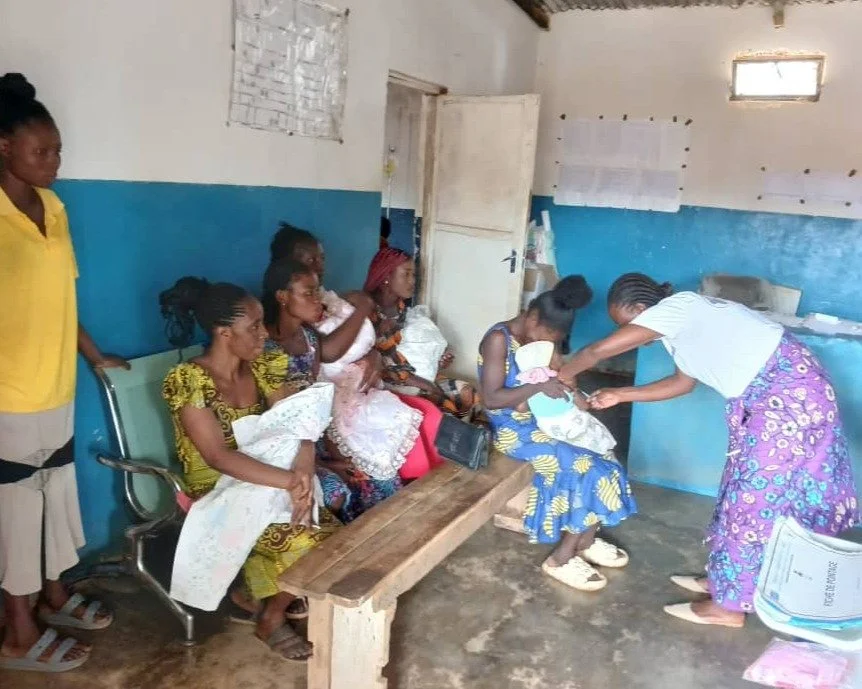
DRC Wasaidizi volunteer, Joyce, weighing baby and providing post-natal counseling with mother.

Every year on April 7, World Health Day brings global attention to a pressing health issue. In 2025, the World Health Organization (WHO) is launching a year-long campaign focused on maternal and newborn health under the theme “Healthy Beginnings, Hopeful Futures.” The goal is urgent and clear: to end preventable maternal and newborn deaths and to prioritize the long-term well-being of women everywhere.

At HealthEd Connect, these goals are aligned with our mission. Every day, our trained community health volunteers—many of them women leaders in their communities—ensure that mothers and babies not only survive, but thrive.

From prenatal checkups to postpartum care, infant growth monitoring, nutrition counseling, and sanitation education, our volunteers are equipped to provide care in some of the most underserved areas. As trusted advocates, they also serve as vital links between families and formal health systems.

In the Democratic Republic of Congo, where maternal mortality remains alarmingly high, our Wasaidizi community health volunteers are making a life-saving difference. Trained by local medical professionals as traditional birth attendants, these volunteers provide skilled care before, during, and after childbirth. Their training emphasizes how to spot high-risk pregnancies early and safely refer mothers to hospitals when needed—a simple but essential step that can mean the difference between life and death.

This work is critical. According to the WHO, nearly 300,000 women die from pregnancy- and childbirth-related causes each year. Over 2 million babies die within their first month, and another 2 million are stillborn. That’s one preventable loss every seven seconds.

But hope is rising.

In 2024 alone, our community health partners in four countries:

  • Safely delivered 3,473 babies while keeping mothers healthy

  • Immunized 26,034 infants and children against preventable diseases

  • Monitored the growth and development of 147,548 children from birth to five years

These numbers represent lives protected, futures made possible, and communities strengthened.

As we recognize World Health Day 2025, we reaffirm our commitment to investing in the health and well-being of women and children. Because healthy mothers and babies are the heartbeat of thriving communities.

Let’s work together for healthy beginnings and hopeful futures for all.

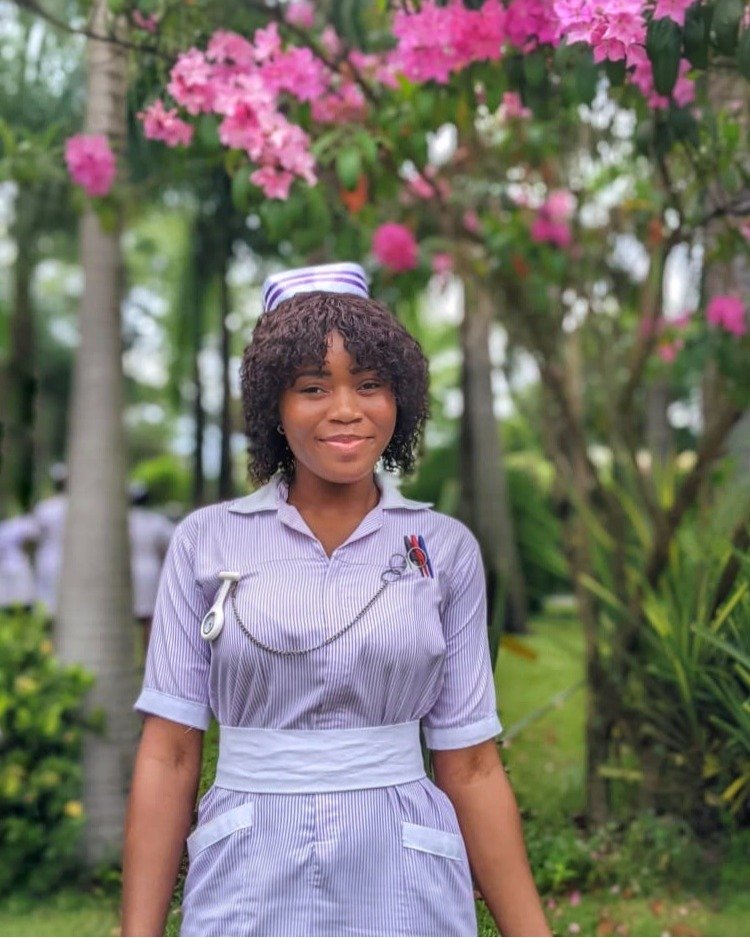
DRC Wasaidizi volunteer, Nathalie, dressed for traditional birth attendant training at local health clinic.