
World Water Day: Hope Flows in Malawi
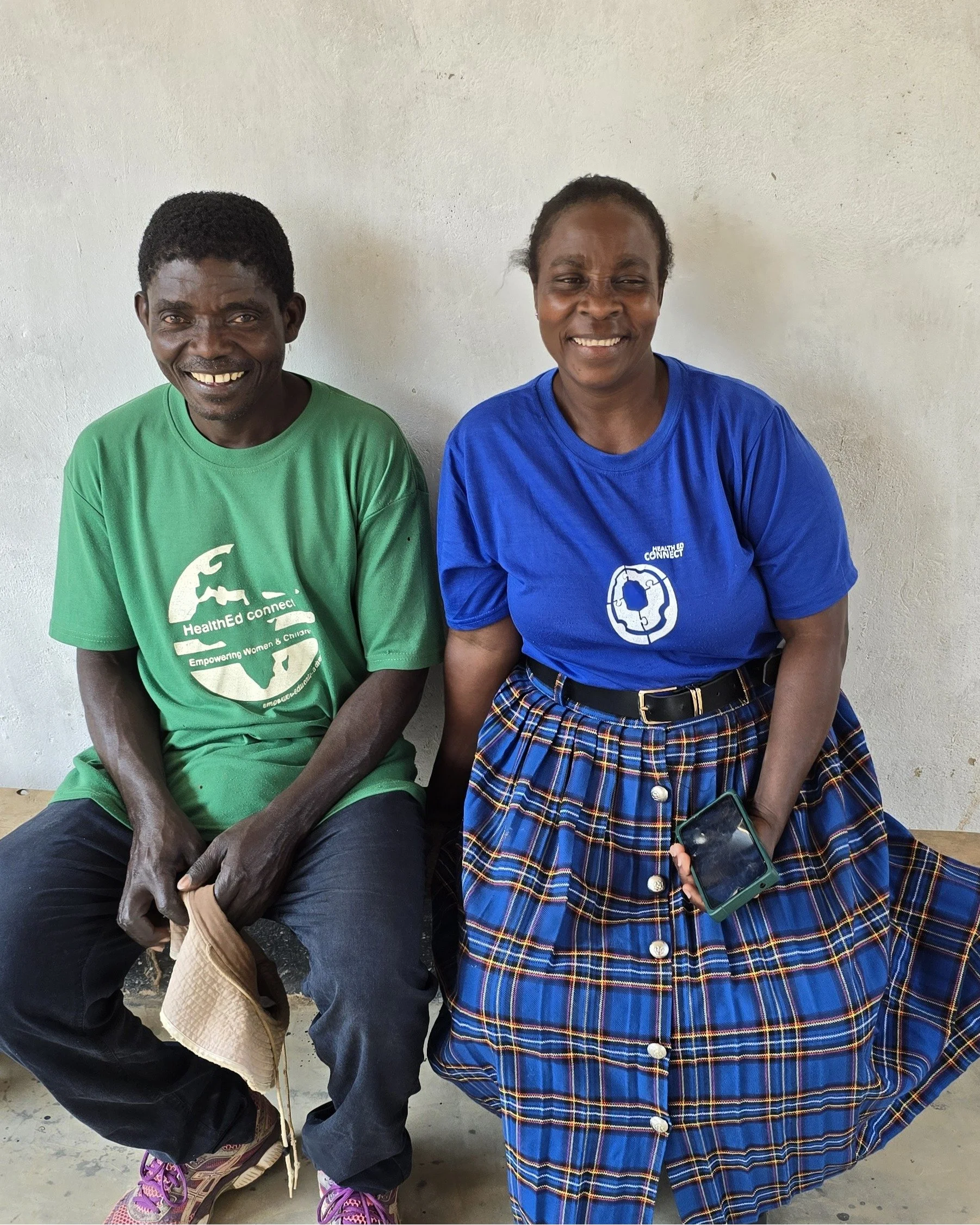
Silas and Spiwe are dedicated Sinkhani community health volunteers in Matete, Malawi
At the Matete Sinkhani Community Center in Malawi, two committed community health volunteers—Silas and Spiwe—are transforming the lives of children and families one weighing day at a time. Every month, they host a weighing day for 70-80 children under the age of five, ensuring that each child’s growth is monitored and that early signs of malnutrition or illness are caught before they become life‑threatening.
Working hand-in-hand with Malawi’s Health Surveillance Assistants (HSAs)—the government’s frontline community health workers—Silas and Swiwe help create vital opportunities for immunizations, check-ups, and health education. These gatherings have become cornerstones of child wellness in the community. Mothers and caregivers know that on weighing day, they are not just getting measurements—they are receiving trusted guidance and a healthy start for their children.
A Daily Challenge: The Search for Clean Water
Despite the dedication of the volunteers and HSAs, the community center faces a difficult and persistent challenge: there is no clean water source nearby.
Women must walk 2–3 kilometers to fetch water, balancing heavy buckets on their heads, simply so that families can drink water and wash their hands during clinic days.
Lack of clean water impacts not only the weighing days, but also other programming at the center. Fridah is a committed preschool teacher who desires to teach the 40+ preschool age children in her community who want to learn. She cannot meet with them at the center without access to water. Additionally, at the center there is a large plot of land available for a vibrant garden that could provide nourishing vegetables for the community. Without water, they are unable to water their garden during the dry season, greatly impacting their harvest.
The lack of water does more than inconvenience—it limits the center’s full potential to serve as a thriving hub of health, education, and nourishment.
A New Chapter Begins
Recently, however, hope has begun to flow.
Thanks to generous donor support, HealthEd Connect was able to fund the installation of a borehole, which they were able to begin digging in December. A borehole is a shallow well fitted with a pump that brings clean water to the surface, with a spicket for easy access. This borehole has been a dream for years, and its progress represents determination, partnership, and the belief that every community deserves safe water.
Although the rainy season arrived before the team could finish the project, plans are already in place to resume and complete the borehole in April, when the rains subside. The anticipation is palpable. Clean water will mean:
No more long walks hauling heavy buckets
Reliable hygiene for weighing days
A thriving community garden
A sustainable preschool program
A healthier future for every child who comes through the center
Celebrating World Water Day - Sunday, March 22
On this World Water Day, we honor the life-sustaining importance of clean water and acknowledge the millions around the world who still struggle to access it.
At HealthEd Connect, we are committed to supporting community-driven solutions—one center, one village, and one borehole at a time. The progress at Matete Sinkhani Community Center is a powerful reminder that when communities come together, positive change becomes possible.
Clean water is more than a resource—it is dignity, opportunity, and life itself.
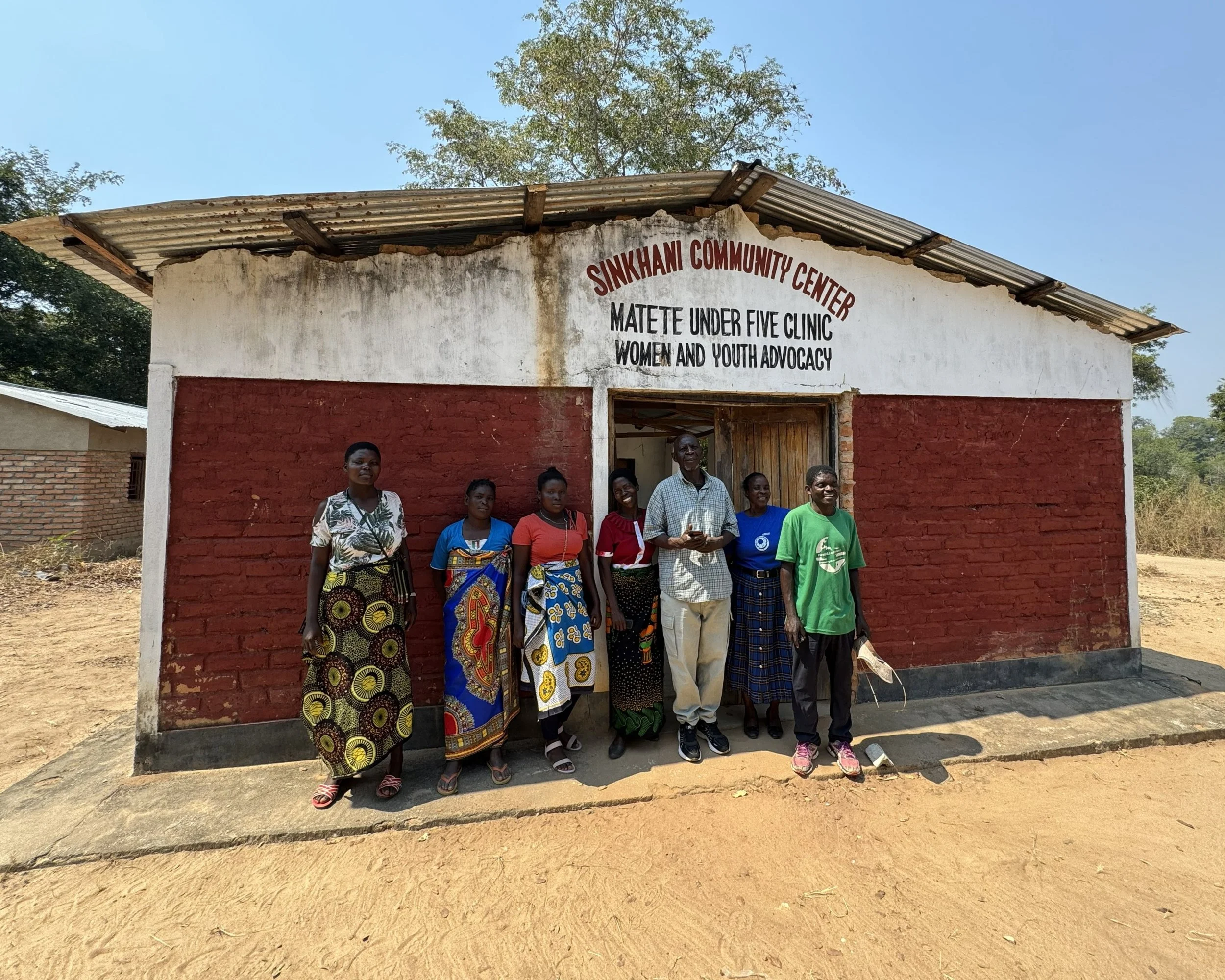
Members of the garden committee, Fridah (preschool teacher), along with Spiwe, Silas and Patrick, who is the zone coordinator for the area stand in front of the Sinkhani Community Center in Matete. Patrick has been instrumental in coordinating the borehole project.
Drilling for the borehole near the center began in December but will finish in April once the rains subside. The borehole will provide water not only for the center but for the community around it.