Creating Healthier Communities Through Sanitation: A Simple Solution Making a Big Impact in Nepal
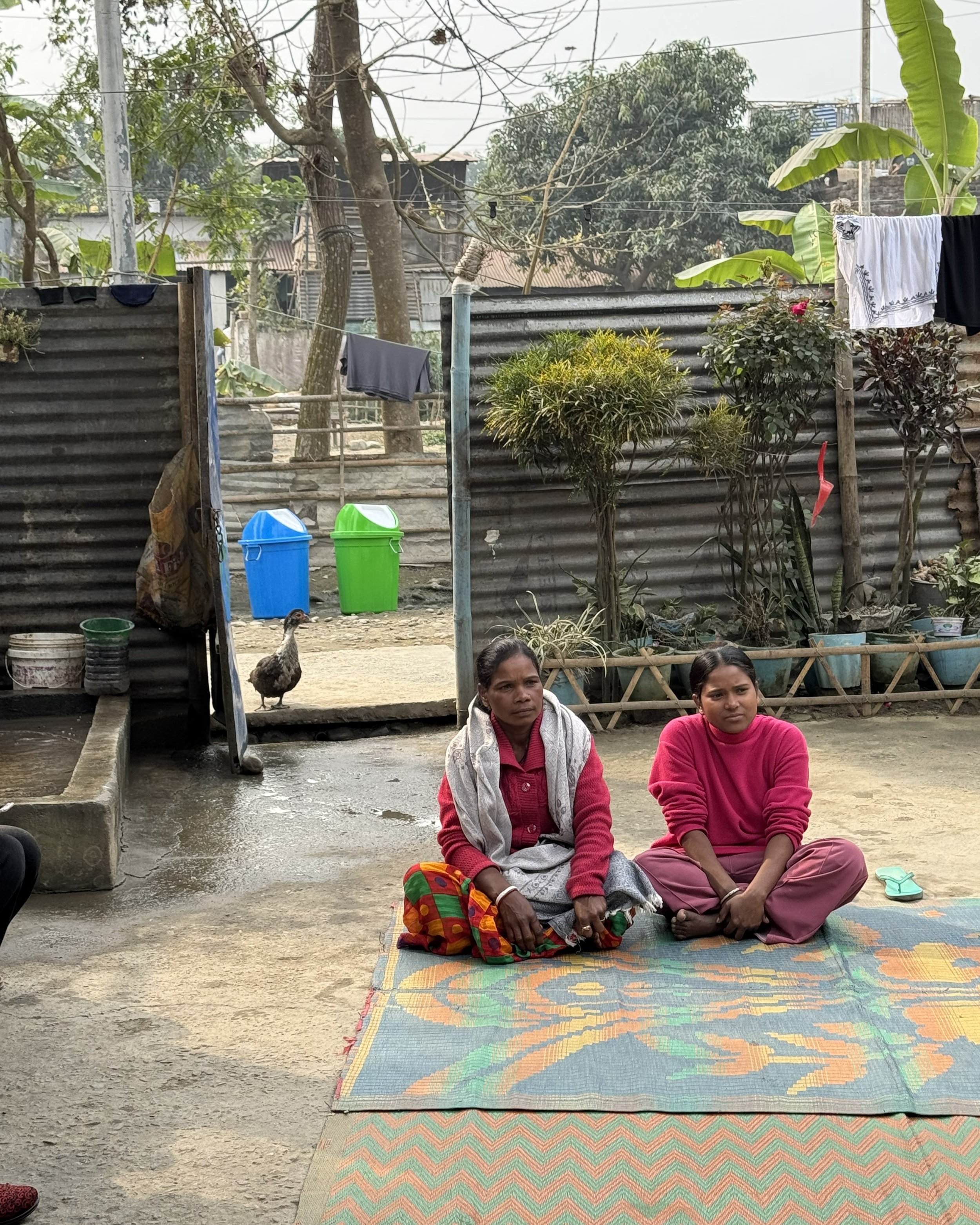
Community residents in Biratnagar sit in a clean area, with accessible trash bins located nearby.
Sanitation.
It’s not a pretty word. It’s not flashy, and it doesn’t often make headlines. In many developed countries—including the United States—we rarely think twice about it. Our garbage is collected weekly without fail. Our homes and workplaces have flushing toilets and sinks with clean running water. These basics feel automatic.
But for many of our partner communities around the world, sanitation is far from guaranteed. And the consequences are not merely inconvenient—they’re dangerous.
Identifying a Critical Need
During a recent site visit to Nepal, we met with Sangeeta Poudel, a dedicated professional nurse who lives in Biratnagar, an urban city with many suburbs. In addition to her full-time work, she serves as community health volunteer for HealthEd Connect, along with serving as the site coordinator for that area.
Using HealthEd Connect’s evidence-based, community-driven approach, Sangeeta and the residents in her community identified sanitation as a major health concern. Trash was everywhere—lining walkways, piling along paths, and accumulating in open spaces.
This wasn’t just unsightly. It was dangerous.
Why Sanitation Matters
Improper waste disposal poses serious health risks, especially for the most vulnerable—pregnant women, children, and the elderly. Garbage can harbor parasites, viruses, flies, and rodents, and it can contaminate nearby water sources, exposing communities to diseases such as:
Diarrheal illnesses
Parasitic infections
Waterborne diseases like cholera and typhoid
Skin and respiratory problems
During the rainy season, contaminated water often floods homes and walkways, spreading illness even further.
It became clear: sanitation wasn’t a cosmetic issue—it was a critical health priority.
Community-Led Action and Lasting Solutions
Sangeeta and the HealthEd Connect community health volunteers—known locally as Soyamsebika—sprang into action. They organized health camps (workshops) to educate families about the dangers of improper trash disposal and to brainstorm feasible, culturally appropriate solutions.
Together, the communities decided to install trash bins throughout the area, giving residents a simple and accessible way to dispose of waste properly. From there, the trash collected in these bins is gathered and transported to designated disposal sites, ensuring waste is no longer accumulating where families live, walk, and play.
And the impact?
Transformational.
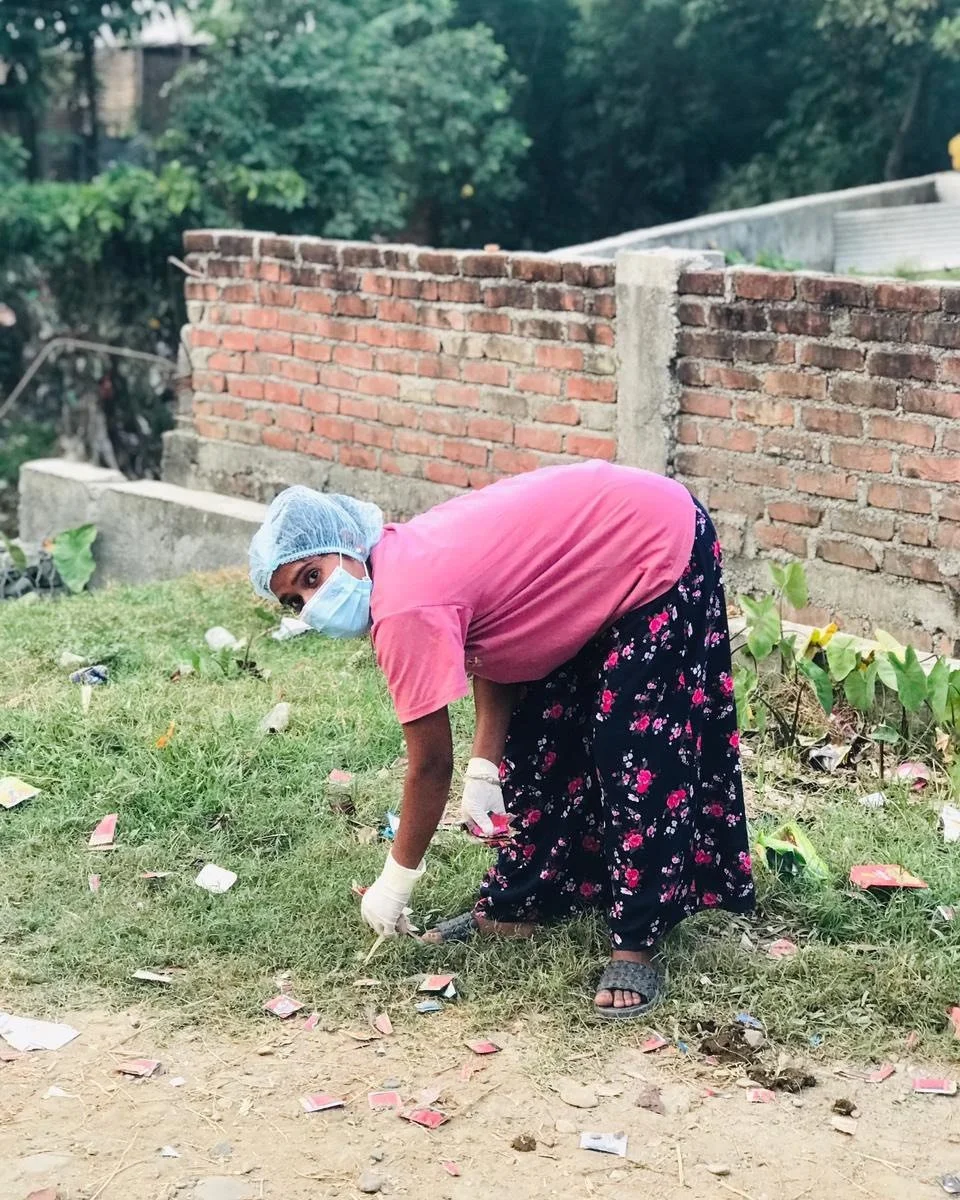
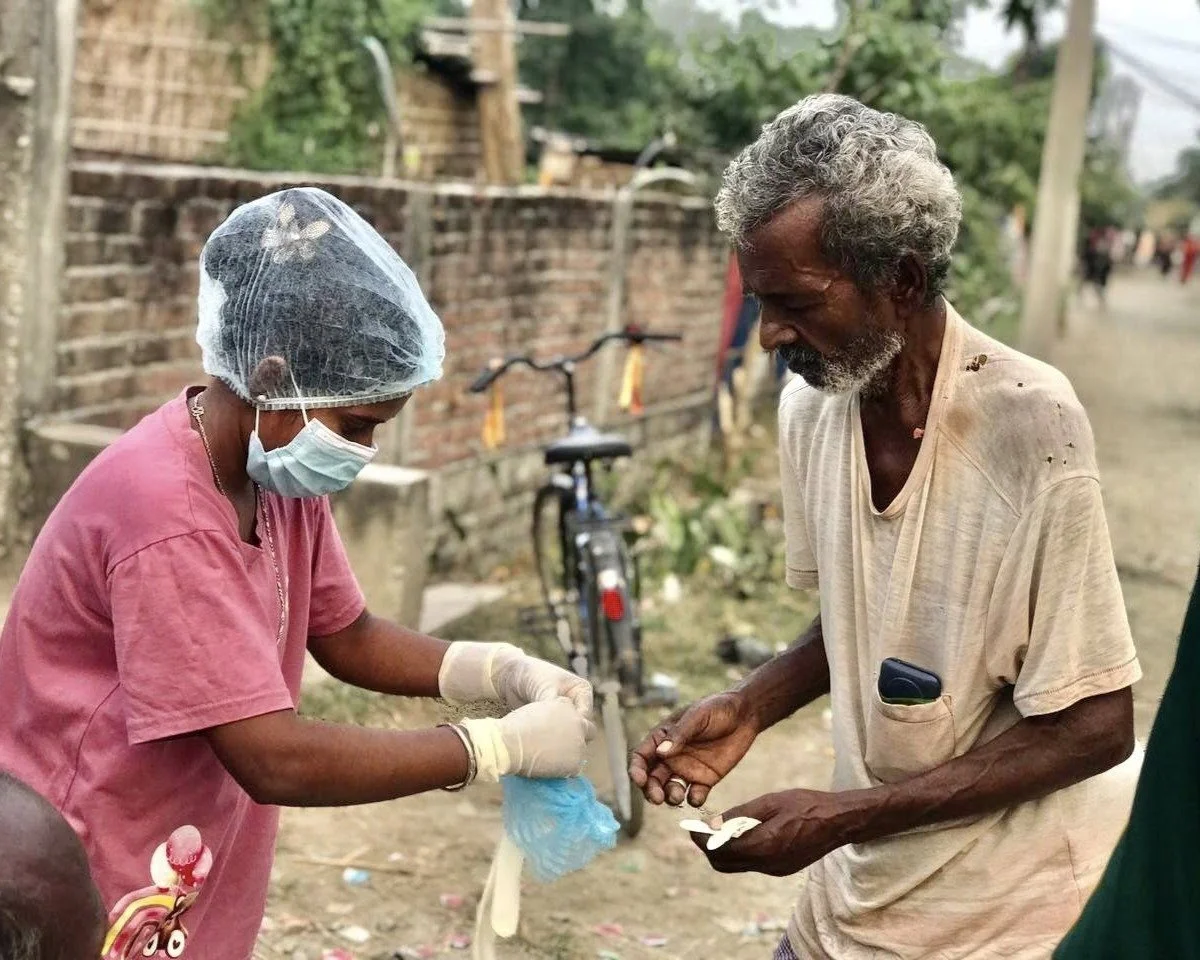
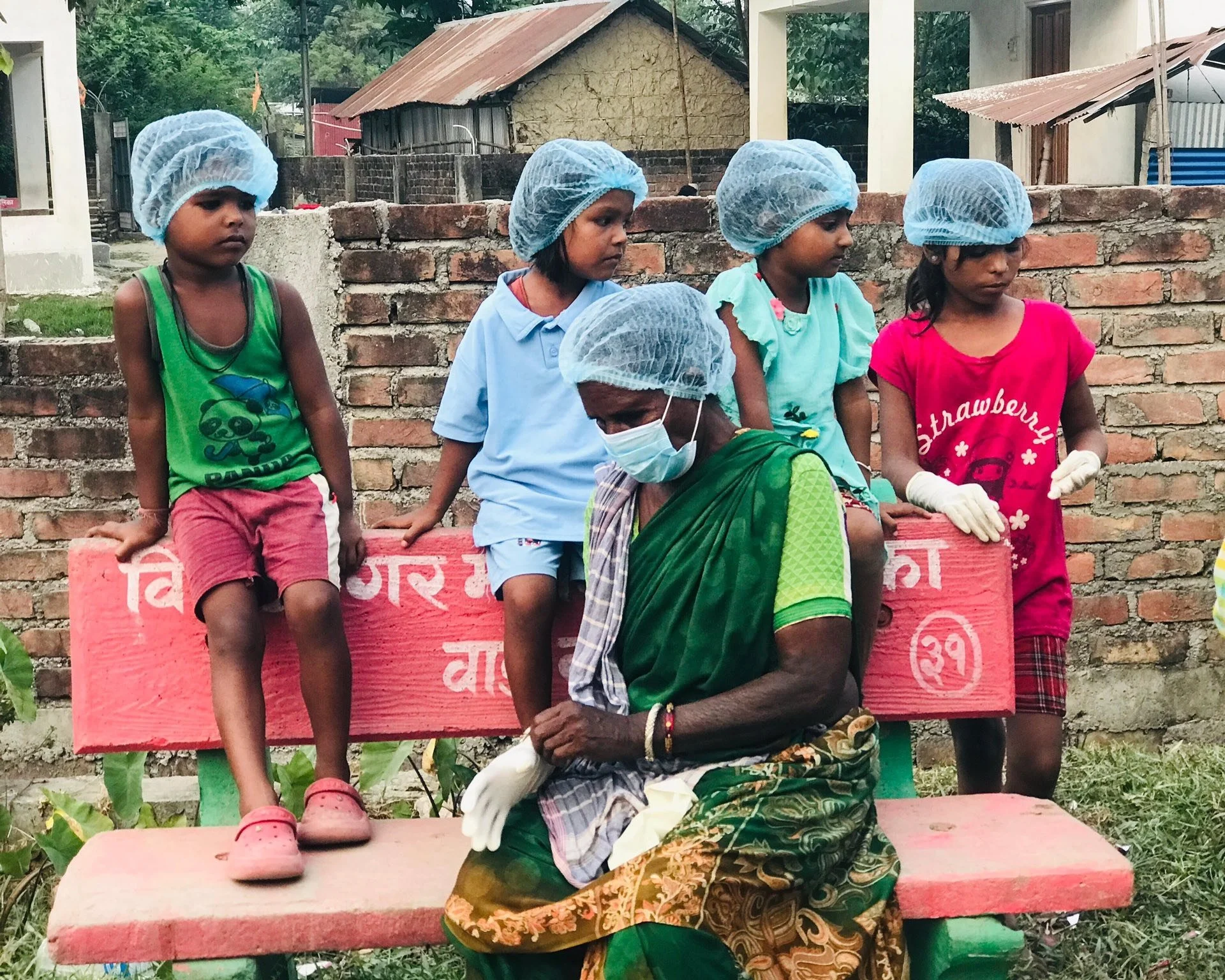
When we visited, the pathways and gathering areas were remarkably clean. Residents now take pride in maintaining their environment—regularly using the bins and even organizing community cleanup days. What began as a simple intervention has grown into an ongoing movement for community health.
A Cleaner Environment. A Healthier Future.
This initiative is a powerful reminder that meaningful change doesn’t always require complex solutions. Sometimes it begins with something as simple as a trash bin—and a community willing to work together.
When you support HealthEd Connect, you make these solutions possible. You help empower community health leaders like Sangeeta. You help create safer environments for children. And you help build a cleaner, healthier world for families across the globe.
Thank you for being part of the change.
The following images were from a recent community cleanup day where people of all ages worked alongside one another to clean up their community to make it a safe living space for all.